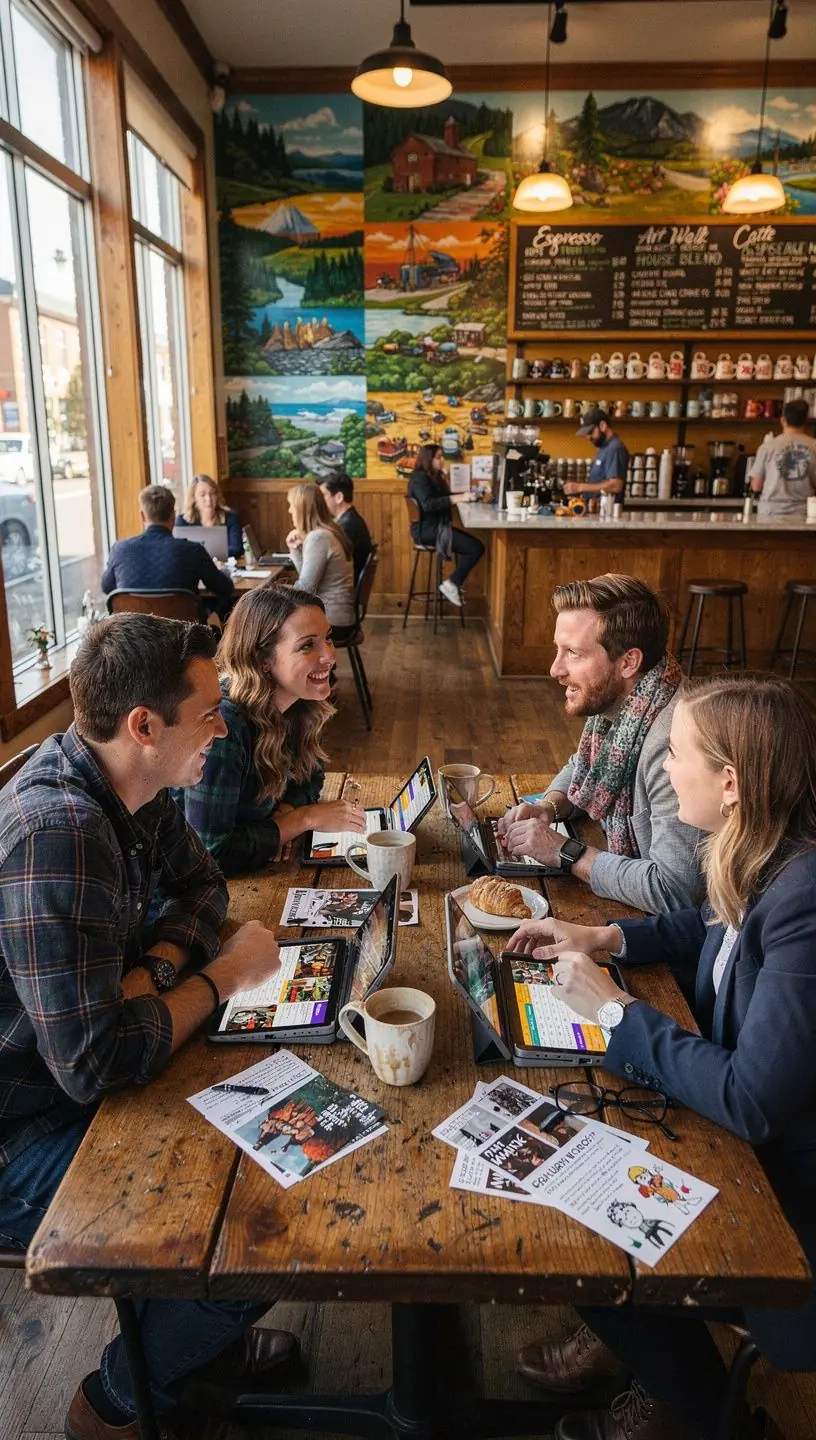
How Senior Centers Promote Social Engagement
As the population of seniors in the U.S. continues to grow, the importance of social engagement through community resources, such as senior centers, has become increasingly evident. Many studies indicate that social engagement can significantly enhance mental and physical well-being for older adults.
Understanding the Importance of Social Engagement
Social engagement refers to the involvement in community activities that foster a sense of belonging and purpose. According to research from the National Institute on Aging, older adults who actively participate in social activities typically experience lower rates of depression and cognitive decline. This is because social interactions stimulate the brain and promote emotional health.

"Studies show that maintaining social relationships can lead to a 50% increase in longevity among older adults."
How Senior Centers Foster Community Connections
Senior centers play a pivotal role in promoting social engagement through various programs and activities. These centers often provide:
- Educational Workshops: Many senior centers host workshops that focus on topics such as technology, health, and art. These sessions not only educate but also encourage interaction among participants, allowing them to share experiences and insights.
- Physical Activities: Regular exercise classes, such as yoga or tai chi, are common at senior centers. Research indicates that physical health is closely tied to mental well-being; thus, participating in group exercises can enhance social bonds and improve overall health.
- Social Events: Many centers organize events like potlucks, game nights, and musical performances. These gatherings create opportunities for seniors to meet new people, reinforcing community ties. Experts recommend that regular attendance at such events can lead to a more fulfilling social life.
The Benefits of Engaging with Others
Engagement in community activities can lead to various benefits for seniors, including:
- Improved Mental Health: Regular social interaction can decrease feelings of loneliness and isolation, which are common among older adults.
- Enhanced Cognitive Function: Participating in group discussions and activities can stimulate mental processes, potentially delaying the onset of dementia-related symptoms.
- Increased Physical Activity: Social settings often encourage older adults to be more physically active, which contributes to better health outcomes.
Challenges and Considerations
While senior centers provide numerous benefits, there are considerations to keep in mind:
- Time Commitment: Engaging in activities regularly requires a time investment that may not be feasible for everyone.
- Accessibility: Some seniors may have mobility issues that can limit their ability to participate in certain events, highlighting the importance of accessible programs.
- Personal Preferences: Not all seniors may find the offered activities appealing, which can affect participation rates. It's crucial for centers to provide a diverse array of programs.
Conclusion
Senior centers serve as critical hubs for fostering social engagement among older adults in the U.S. By providing a variety of activities that encourage participation, these centers help combat isolation and promote overall well-being. As many studies indicate, maintaining social connections is vital for a healthy and fulfilling life in later years. Seniors are encouraged to explore their local centers and find activities that resonate with their interests, enhancing their social networks and enriching their lives.
Explore Further